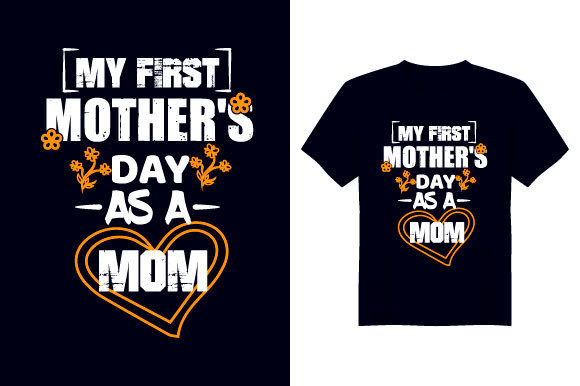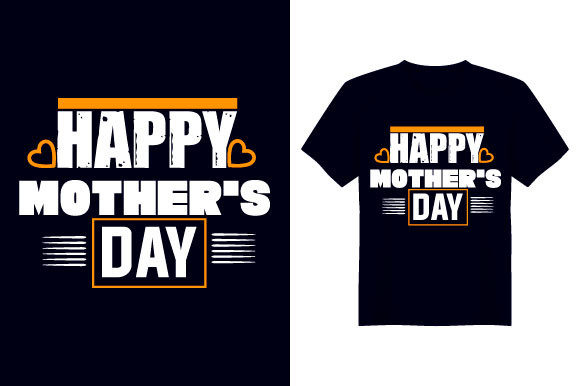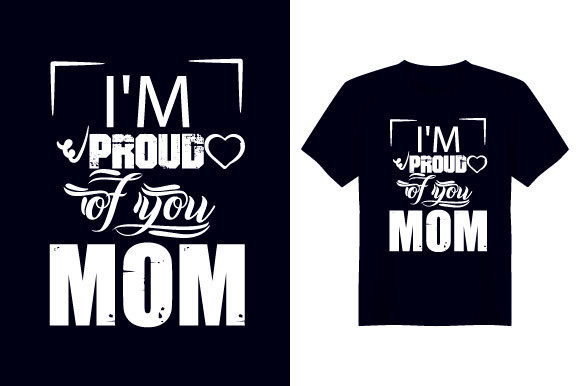
Reviewing the Mother’s Day T Shirt Design for Stitchers
As an embroidery designer who has spent countless hours digitizing, testing, and stitching out thousands of designs, I approach every new file with a mix of curiosity and caution. We have all been there: you download a beautiful digital embroidery file, load it onto your machine, and hope for the best. But when it comes to seasonal bestsellers, especially for high-emotion holidays like Mother’s Day, the stakes are higher. Your customers are not just buying a shirt; they are buying a sentiment. Today, I am taking a close look at the Mother’s Day T Shirt Design to see how it holds up under the needle.
This particular asset arrives as part of a broader collection of Print Templates and Graphics, which immediately signals versatility. You receive an AI file, EPS file, SVG file, and a high-resolution PNG (4500×5400 at 300 dpi), all compressed in a single ZIP file. For those of us who work across both digital printing and machine embroidery, having vector files alongside raster images is a significant advantage. However, my primary focus here is on how this design translates into a tangible, stitched handmade product.
First Impressions and Visual Personality
When I first opened the preview files, the immediate impression was one of warmth and approachability. The layout avoids the cluttered, overly complex aesthetics that often plague holiday designs. Instead, it leans into clean lines and balanced negative space. This is crucial for embroidery. A design that looks good on a screen can become a nightmare of thread breaks and puckering if the details are too fine or the density is too high.
The mood created by this design is celebratory yet understated. It does not scream for attention; rather, it invites a closer look. For a custom apparel project, this is ideal. Mothers often prefer gifts that feel personal and wearable long after the holiday has passed. The visual personality suggests a modern, perhaps slightly rustic or boutique aesthetic, depending on your choice of thread colors and fabric. It feels right at home on a soft cotton tee or a structured canvas tote.
Real-World Application: From Screen to Stitch
To truly evaluate the Mother’s Day T Shirt Design, I imagined a specific scenario: a small batch order for a local boutique client who specializes in personalized gift items. The client wanted to offer a premium sweatshirt embroidery option alongside standard tees. This is where the file format diversity becomes useful. While the PNG is perfect for creating printable mockup images for their Etsy store, the vector files allow for precise scaling if we decide to adapt the graphic for a different medium, such as heat transfer vinyl, before committing to stitch.
For the embroidery route, the design’s structure suggests it would perform well as a combination of fill stitch for larger solid areas and satin stitch for borders or text elements. If you are using this as a tote bag design, the larger surface area allows the details to breathe. On a cap or a smaller embroidered patch, you might need to simplify certain elements. The key is understanding that what works on a flat t-shirt may need adjustment for curved surfaces like hats or textured fabrics like waffle-knit towels.
I also considered its use in baby embroidery. Parents love matching sets. If the scale is adjustable without losing integrity, this design could be shrunk for a onesie or a burp cloth. However, caution is advised here. Tiny details can get lost in the nap of terrycloth or the stretch of infant knits. Always test on scrap fabric first.
Navigating Fabric and Hoop Constraints
One of the most critical aspects of reviewing any design is identifying where it might fail. The Mother’s Day T Shirt Design is not immune to the physical limitations of embroidery. If you are working with thin or stretchy fabrics, such as lightweight jersey or rayon blends, stitch density becomes your enemy. High-density areas can cause puckering, ruining the professional look of the finished product.
Here are some practical considerations for different applications:
- Hoop Size: Ensure your design fits comfortably within your hoop with adequate margin. Crowding the edges can lead to hoop burns or misalignment.
- Stabilizer Choice: For knit fabrics like t-shirts and sweatshirts, a cut-away stabilizer is non-negotiable to prevent distortion over time. For woven totes or aprons, a tear-away might suffice, but test first.
- Dark Fabrics: If stitching on dark garments, consider using an underlay or a backing layer to prevent the fabric color from showing through lighter threads. This affects the vibrancy of your thread colors.
- Textured Surfaces: On items like kitchen towels or blankets, the fabric texture can swallow small details. You may need to increase the size of the design or simplify intricate corners to maintain clarity.
Additionally, be mindful of commercial embroidery standards. If you are producing these for sale, consistency is key. A design that looks great on one shirt must look equally good on the hundredth. This requires rigorous testing of tension, needle type, and thread quality.
Enhancing Brand Value and Customer Trust
Why does the choice of design matter for your craft business? Because it directly impacts perceived value. A clean, well-executed embroidery job signals professionalism. When a customer receives a small shop product that is neatly stitched, with no loose threads or puckering, they trust your brand. They are more likely to leave a positive review and return for future purchases, such as holiday embroidery items for Christmas or Easter.
The Mother’s Day T Shirt Design serves as a strong foundation for building this trust. Its versatile nature allows it to fit into various product lines, from nursery decor to adult apparel. By offering a cohesive look across different items, you strengthen your brand identity. Furthermore, using high-quality design assets like this saves you time. Instead of spending hours digitizing a concept from scratch, you can focus on the execution and marketing of your Etsy seller storefront or physical boutique.
Practical Designer Notes for Best Results
Before you commit to a full production run, here is my checklist for using this design effectively:
- Test on Scrap: Never stitch directly on your final garment. Use a similar fabric scrap to check tension and density.
- Check Contrast: View your design in black and white. If the details disappear, you may need to adjust thread choices or simplify the design for better visibility.
- Verify Licensing: While the files are provided for use, always confirm the specific license terms for commercial sales. Ensure you are compliant when selling finished product items.
- Inspect Small Details: Zoom in on the vector files. Are there any anchor points or nodes that might cause issues if you were to convert them for other uses? Clean up any unnecessary elements.
- Mockup Variety: Use the included PNG to create mockups on both light and dark backgrounds. This helps customers visualize the product and increases buyer engagement.
In conclusion, the Mother’s Day T Shirt Design is a solid addition to any designer’s library. It offers the flexibility needed for modern custom apparel and gift markets. By respecting the technical constraints of embroidery and focusing on quality execution, you can turn this digital file into a cherished keepsake. Whether you are an experienced embroidery project manager or a hobbyist looking to elevate your gifts, this design provides the canvas for creativity. Just remember: the file is only the beginning. The magic happens in the stitching.