Reviewing Hello Winter, Winter Quote for Embroidery
As a designer who spends more time staring at stitch simulations than I care to admit, I have learned that not every pretty graphic translates well into thread. When I first pulled Hello Winter, Winter Quote from my latest batch of digital assets, my initial reaction was one of cautious optimism. The design falls under the category of Illustrations and Graphics, which often means clean lines and scalable vectors. But does it hold up when subjected to the mechanical realities of an embroidery machine? I decided to put it through its paces to see if it deserves a spot in your next embroidery project.
First Impressions: Mood and Visual Personality
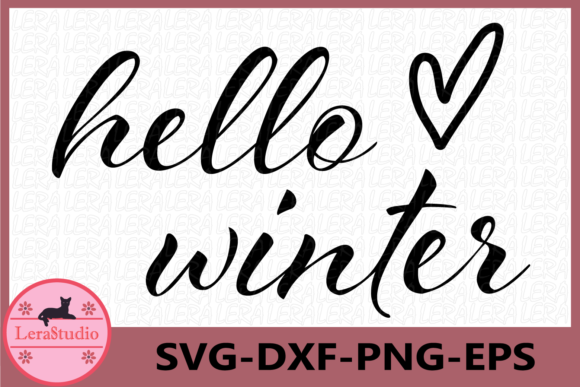
The immediate appeal of Hello Winter, Winter Quote lies in its seasonal warmth without being overly kitschy. It captures that cozy, hygge-inspired aesthetic that customers crave during the colder months. The layout feels balanced, with a visual personality that suggests comfort and nostalgia. For those of us creating handmade products, mood is half the battle. If the design does not evoke an emotional response, it rarely sells.
From a structural standpoint, the shapes appear distinct enough to avoid merging into a blob of thread, provided the scale is correct. The detail level seems moderate, which is ideal for versatility. It is not so intricate that it requires hours of trimming jump stitches, nor so simple that it looks amateurish on a high-end garment. This balance makes it a strong candidate for both custom apparel and home decor items.
Real-World Application: The Tote Bag Test
To evaluate practicality, I imagined applying this design to a heavy canvas tote bag design. This is a staple product for many Etsy sellers and small shop owners. On canvas, the texture of the fabric can sometimes swallow fine details. However, because Hello Winter, Winter Quote relies on bold, clear forms rather than microscopic intricacies, it stands out beautifully against the weave of the material.
I also considered its use on a fleece sweatshirt embroidery project. Here, the challenge is always pile management. If the design uses dense fill stitch areas, the fleece can bunch up. Assuming the digitization accounts for this with proper underlay and pull compensation, the quote would sit prominently on the chest or sleeve, offering a stylish alternative to generic holiday graphics. It transforms a basic sweatshirt into a personalized gift that feels thoughtful and curated.
Versatility Across Product Lines
Beyond bags and sweaters, this graphic has legs in other categories. Imagine it stitched onto a linen tea towel for a housewarming present, or scaled down for a cute baby embroidery item like a onesie or burp cloth. The seasonal nature makes it perfect for holiday embroidery collections, allowing crafters to refresh their inventory as the temperatures drop. For commercial embroidery clients, such as local cafes or boutiques, it could serve as a limited-edition branding element on aprons or caps, adding a touch of seasonal charm to staff uniforms.
Technical Considerations and Potential Pitfalls
While the aesthetic is strong, we must address the technical constraints. Since the product description notes that you receive files in svg, dxf, eps, ai, and png formats, it is crucial to understand that these are primarily vector and image files, not necessarily native machine embroidery formats like PES or DST. This means you will likely need to digitize the design yourself or use auto-digitizing software with caution. Auto-digitizing often fails to account for stitch density and direction, which can lead to puckering or thread breaks.
If you are planning to use this on stretchy fabrics, such as jersey knits for t-shirts, proper stabilization is non-negotiable. A cut-away stabilizer would be my recommendation to prevent the design from distorting after washing. Additionally, be mindful of hoop size. If you intend to place this on a curved surface like a cap, ensure the design width fits within your cap frame without requiring excessive hooping adjustments that might distort the text or shapes.
Another area for caution is dark fabric. If the design includes light-colored elements, you must consider thread colors carefully. High contrast is key for readability. I always recommend testing the design on scrap fabric first, specifically in black and white mockups, to ensure the silhouette remains clear even if the color palette changes. Tiny lettering or delicate corners can get lost if the running stitch or satin stitch widths are too narrow for the thread weight being used.
Enhancing Brand Value and Customer Trust
Using high-quality design assets like Hello Winter, Winter Quote directly impacts perceived value. When a customer sees a clean, well-executed embroidered item, they associate it with professionalism. Sloppy stitching or poorly chosen designs can undermine trust, but a crisp, seasonally appropriate graphic enhances the finished product. For craft business owners, consistency in design quality helps build brand recognition. If your shop is known for tasteful, well-digitized winter goods, this type of illustration fits seamlessly into that narrative.
Moreover, the versatility of the file formats allows for hybrid projects. You might use the PNG for a printable mockup on your website to gauge customer interest before stitching a single thread. This reduces waste and helps you market your small shop product more effectively. The ability to preview the design on various backgrounds using the included graphics ensures that your online listings look polished and accurate.
Practical Designer Notes for Success
Before you commit to production, keep these actionable tips in mind:
- Check Licensing: Always confirm whether the license allows for commercial embroidery sales. Just because you bought the file does not automatically grant rights to sell finished items. Read the terms carefully.
- Digitize with Care: Since the package contains vector and image files, ensure your digitizing software settings match your fabric type. Adjust pull compensation for knits and increase density slightly for woven fabrics if needed.
- Test Stitch Density: Run a test on similar fabric to check for puckering. If the design feels stiff, reduce the density or change the stitch type from fill to a lighter pattern.
- Contrast is King: Select thread colors that pop against your fabric. For a winter theme, classic whites, silvers, and icy blues work well, but ensure they are visible from a distance.
- Stabilizer Selection: Use a tear-away for stable woven fabrics like cotton tote bags, and a cut-away for stretchy garments like sweatshirts to maintain shape over time.
In conclusion, Hello Winter, Winter Quote is a promising addition to your library of Illustrations and Graphics. It offers the flexibility needed for diverse applications, from embroidered patch creations to large-scale home decor. By respecting the technical requirements of embroidery and understanding the mood it conveys, you can leverage this design to create standout pieces that resonate with buyers. Whether you are an experienced apparel decorator or a hobbyist looking to elevate your holiday gifts, this design provides a solid foundation for creative expression. Just remember to test, stabilize, and stitch with intention.