Reviewing My First Mother Day T Shirt Design for Embroidery
As an experienced designer who has spent years digitizing patterns and reviewing assets for real-world application, I approach every new machine embroidery design with a critical eye. It is not enough for a graphic to look good on a screen; it must translate flawlessly into thread, withstand the tension of the hoop, and resonate emotionally with the end customer. Today, I am evaluating My First Mother Day T Shirt Design, a digital asset sourced from the stshahariarsifa T-shirt designs store. This piece falls under the category of Print Templates and Graphics, but my focus here is strictly on its viability as a functional embroidery project for crafters, Etsy sellers, and boutique owners.
First Impressions and Visual Personality
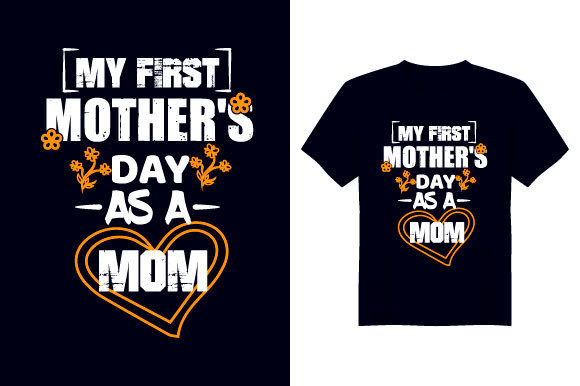
The initial visual impact of My First Mother Day T Shirt Design is warm and inviting, capturing the specific sentimentality required for holiday-themed merchandise. The layout appears balanced, prioritizing legibility and emotional connection over excessive ornamentation. For a designer, this is crucial. Overly complex graphics often fail when converted into stitch data, resulting in muddy details or excessive run times. This design, however, suggests a clarity that lends itself well to various stitching techniques.
The mood created is one of gentle celebration. It avoids the cliché heaviness sometimes found in holiday graphics, opting instead for a cleaner aesthetic. This visual personality makes it versatile. It does not scream for attention but rather invites a closer look, which is exactly what you want in a personalized gift or a high-end handmade product. When I visualize this as an embroidery file, I see potential for clean satin stitches on the lettering and potentially fill stitches for any accompanying iconography, provided the density is managed correctly.
Real-World Application: From Screen to Stitch
To truly test the value of My First Mother Day T Shirt Design, we must move beyond theory and imagine it in production. Consider a common scenario: a small business owner preparing a line of custom apparel for the spring rush. This design would excel on a high-quality cotton sweatshirt. The softness of the fabric complements the tender theme of a "first" Mother’s Day. When stitched, the design needs to sit comfortably on the chest or slightly off-center for a modern look.
Beyond apparel, this graphic has strong potential as a tote bag design. Canvas bags are sturdy enough to handle higher stitch densities, allowing the design to pop with vibrant thread colors. Imagine this embroidered on a natural beige tote, paired with pastel pinks or soft greens. It transforms a simple utility item into a cherished keepsake. Similarly, for those running an Etsy seller shop focused on nursery decor, this design could be scaled down for a pillow cover or a baby blanket. The key here is scalability. Does the design hold its integrity when shrunk for a baby onesie or enlarged for a wall hanging? Based on its structural simplicity, it appears robust enough to handle moderate resizing without losing definition.
Versatility Across Product Lines
The adaptability of this digital embroidery file extends to several other popular categories in the craft business sector:
- Embroidered Patches: If digitized with a border, this design could become a sellable patch, adding value to jackets or diaper bags.
- Aprons and Kitchen Towels: A thoughtful gift for new mothers who appreciate practicality mixed with sentiment.
- Caps and Hats: While challenging due to the curved surface, a simplified version of this design could work well on the front panel of a dad hat.
- Holiday Embroidery Collections: It serves as a cornerstone piece for a broader spring or Mother’s Day collection, ensuring brand consistency across multiple SKUs.
Technical Considerations and Fabric Constraints
While the aesthetic appeal is strong, practical execution requires attention to detail. Not all fabrics behave the same way. When using My First Mother Day T Shirt Design on stretchy fabrics like jersey knits, the use of a proper stabilizer is non-negotiable. Without adequate support, the stitches may pucker, distorting the message and ruining the finished product. I recommend testing on scrap fabric first to determine the optimal stabilizer weight—cut-away for stretchy materials and tear-away for stable wovens.
Another critical factor is stitch density. If the original graphic contains large solid areas, the digitizer must ensure these are not too dense, which can cause fabric perforation or thread breakage. Conversely, if the details are too fine, they may get lost on textured fabrics like terry cloth or fleece. For dark fabrics, consider using an underlay stitch or choosing thread colors with high contrast to ensure the design remains visible and crisp. Tiny lettering, if present in the design, should be checked carefully; if the letters are too small, they may merge together during stitching, reducing readability.
Enhancing Brand Value and Customer Trust
For commercial embroiderers and small shop product creators, the quality of the design directly impacts perceived value. A clean, well-executed embroidery job builds customer trust. When a buyer receives a custom apparel item where the stitching is neat, the tension is even, and the design is centered, they are more likely to leave positive reviews and return for future purchases. My First Mother Day T Shirt Design, when handled with professional care, contributes to this perception of quality.
Using high-resolution printable mockup images in your online listings can also boost engagement. Showcasing the design on various items—such as a cozy sweater or a structured tote—helps customers visualize the final result. This transparency reduces hesitation and increases conversion rates. Furthermore, consistent use of such high-quality design assets helps establish a recognizable brand identity, distinguishing your shop from competitors who may use lower-quality, generic clips.
Practical Notes for the Embroidery Designer
Before committing to a large production run or listing this item in your store, take the following steps to ensure success:
- Verify Licensing: Always confirm the license terms provided by the creator. Ensure that the commercial embroidery rights are clear if you plan to sell finished goods.
- Check File Formats: Ensure the embroidery file is compatible with your specific machine brand (e.g., PES, DST, JEF). If format conversion is necessary, use reputable software to avoid data corruption.
- Test Stitch Out: Never skip the test phase. Stitch the design on the actual fabric you intend to use. Check for thread breaks, nesting, or registration issues.
- Evaluate Color Palettes: Experiment with different thread combinations. While traditional pastels work well, modern neutrals or bold primaries might appeal to a different demographic.
- Inspect Hoop Size Requirements: Confirm that the design fits within your available hoop sizes. If it is too large for standard hoops, consider splitting the design or using a larger frame if your machine supports it.
In conclusion, My First Mother Day T Shirt Design offers a solid foundation for a variety of embroidery projects. Its strength lies in its emotional resonance and structural clarity. By paying attention to technical details like stabilizer choice, stitch density, and fabric compatibility, designers can transform this digital graphic into a tangible, high-value product. Whether you are creating a single personalized gift for a family member or stocking your Etsy seller inventory for the holiday rush, this design holds promise for those who prioritize quality and craftsmanship.