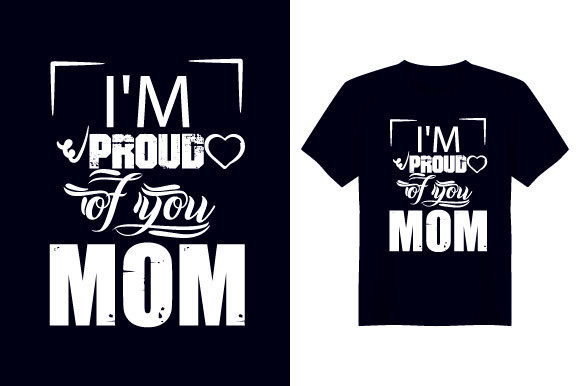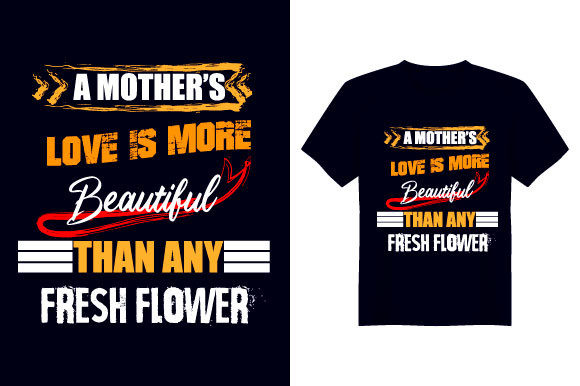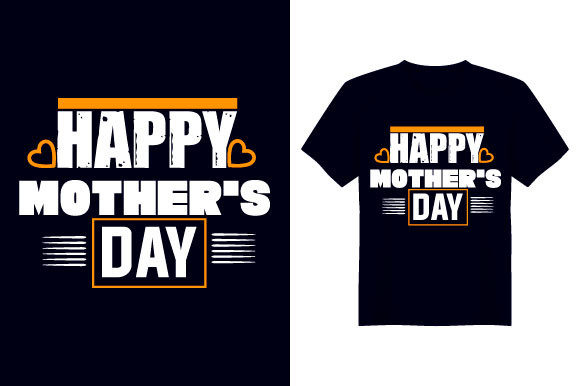
Reviewing the Happy Mother’s Day T-Shirt Design
As an embroidery designer who has spent countless hours digitizing, stitching, and troubleshooting designs for client projects, I approach every new machine embroidery design with a critical eye. It is not enough for a graphic to look good on a screen; it must translate flawlessly into thread. Recently, I evaluated the Happy Mother s Day T Shirt Design from the stshahariarsifa store to determine its viability for real-world applications. This review focuses on how this asset performs when moved from the digital realm of Print Templates and Graphics into tangible, stitched products.
First Impressions and Visual Personality
The initial appeal of the Happy Mother s Day T Shirt Design lies in its thematic clarity. Mother’s Day is a high-volume season for crafters, and customers are looking for designs that convey warmth without appearing cluttered. Upon loading the file into my editing software, I looked immediately at the layout and detail level. The design appears to balance celebratory typography with decorative elements, a combination that can be tricky to execute in embroidery.
For a designer, the "mood" of a piece dictates its market fit. This design leans toward a cheerful, affectionate aesthetic, making it ideal for personalized gifts and boutique merchandise. However, visual personality in a JPEG or PNG preview does not guarantee stitching success. The true test is how those curves and lines behave under the needle. Does the design rely on complex gradients that require excessive thread changes? Or does it use solid shapes that allow for efficient production? These are the questions I ask before committing to a project.
Real-World Application: From Screen to Stitch
To truly evaluate this design, I simulated its use in a common commercial scenario: creating a custom embroidered tote bag for a local spring market. Tote bags are a staple for Etsy sellers and small shop owners because they offer a large, flat canvas. When applying the Happy Mother s Day T Shirt Design to a cotton canvas tote, the scale becomes crucial. A design that looks balanced on a t-shirt mockup might appear too small or disproportionately large on a bag.
In this context, the design serves as a strong focal point. For sweatshirt embroidery, the same graphic would need to be resized to fit comfortably on the chest or left sleeve. I also considered its potential for baby embroidery on onesies. Here, the simplicity of the lines is an asset, provided the text remains legible at smaller sizes. If the design includes fine details, shrinking it for infant apparel could result in lost definition, turning crisp letters into indistinct blobs of thread.
Another practical application is the embroidered patch. Patches are trending in the handmade community, and this design’s self-contained shape makes it a candidate for merrowed or satin-edged patches. However, this requires checking if the design has a clear border that can support a finishing stitch without encroaching on the internal details.
Navigating Fabric and Hoop Constraints
One of the most critical aspects of using any digital embroidery file is understanding its limitations on different materials. The Happy Mother s Day T Shirt Design must be tested on various textures. On smooth, woven cotton, the stitches should lay flat and clean. However, on textured fabrics like terry cloth towels or fuzzy fleece, the design might lose definition. In such cases, using a cut-away stabilizer is non-negotiable to prevent puckering and ensure the stitch density does not distort the fabric.
Curved surfaces present another challenge. If you plan to use this design on caps or hats, you must consider the hoop size and the curvature of the crown. Designs with wide horizontal spans can distort on curved surfaces unless properly digitized with pull compensation. While this product is categorized under Graphics and Print Templates, embroidery requires a different structural integrity. I advise testing the design on scrap fabric that matches your final product’s weight and stretch. This is especially important for stretchy knits used in custom apparel.
Dark fabrics require special attention to thread colors. If the design relies on light-colored threads for contrast, ensure you have high-quality rayon or polyester threads that do not fray easily. A poor color choice can make the design look muddy or unreadable. Always run a test stitch-out on black or navy fabric to verify visibility before producing inventory for your craft business.
Commercial Viability and Brand Consistency
For Etsy sellers and commercial embroiderers, consistency is key to building trust. The Happy Mother s Day T Shirt Design needs to look professional in every iteration. A sloppy stitch-out can damage a brand’s reputation faster than a late shipment. I recommend inspecting the design for dense stitch areas that might cause needle breaks or thread bunching. High-density fills can look luxurious but may feel stiff and uncomfortable on wearable items like t-shirts or baby clothes.
When creating printable mockup previews for your online store, ensure the digital representation matches the physical reality. Customers often judge a handmade product by its photos. If the mockup shows a crisp, clean design but the actual stitched item has loose threads or misaligned layers, you risk negative reviews. Use this design to create cohesive design assets for your marketing, but always prioritize the quality of the finished stitch.
Practical Notes for the Embroidery Designer
Before integrating the Happy Mother s Day T Shirt Design into your production line, consider these technical checks:
- Check Licensing: Verify the terms provided by stshahariarsifa. Ensure the license allows for commercial use if you plan to sell finished items or use the design in client projects.
- Test Stitch Density: Run a sample on similar fabric to check for puckering. Adjust tension if necessary.
- Verify Hoop Size: Confirm the design fits within your machine’s maximum hoop dimensions without requiring re-hooping, which can lead to alignment errors.
- Inspect Small Details: Zoom in on the typography. Are there tiny elements that might get lost? Consider simplifying or removing them if they do not stitch cleanly.
- Contrast Testing: View the design in black and white to ensure the shape holds up without color reliance. This helps in planning monochrome options for minimalist buyers.
- Stabilizer Selection: Match the stabilizer to the fabric. Use tear-away for stable wovens and cut-away for knits or items that will undergo frequent washing.
Final Verdict on the Design Asset
The Happy Mother s Day T Shirt Design offers a solid foundation for holiday-themed projects. Its strength lies in its thematic relevance and versatility across various embroidery project types, from tote bag design concepts to holiday embroidery on home decor. However, its success depends entirely on the executor’s attention to technical detail. It is not a "plug-and-play" solution for every fabric type but a versatile asset for the informed designer.
For those running a small shop product line, this design can enhance your seasonal offerings. Just remember that the transition from Print Templates to thread requires careful planning. By respecting the constraints of fabric texture, hoop size, and stitch density, you can transform this graphic into a high-value personalized gift that customers will cherish. Always prioritize the tactile quality of the finished product, as that is what ultimately defines your professionalism in the world of commercial embroidery.