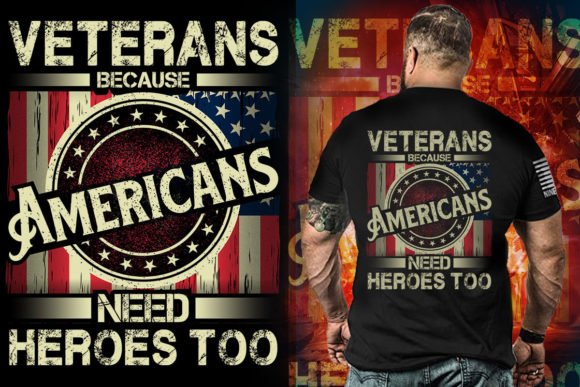
Reviewing Veteran T Shirt Design 2 for Real Stitching
As an embroidery designer who has spent countless hours hooping, stitching, and unpicking, I approach every new digital embroidery file with a mix of curiosity and caution. We all know that what looks crisp on a computer screen does not always translate seamlessly to fabric. Recently, I evaluated Veteran T Shirt Design 2, a graphic asset intended for apparel and craft projects. My goal was not just to admire the aesthetics, but to determine how this design performs in the real world of machine embroidery design workflows, client expectations, and finished product durability.
First Impressions and Visual Personality
The first thing that strikes you about Veteran T Shirt Design 2 is its clear thematic intent. It carries a mood of respect and commemoration, which is essential when creating items for veterans or their families. The layout appears balanced, avoiding the cluttered look that often plagues lower-quality T-Shirt Designs. For a designer, this clarity is crucial. When we talk about Graphics meant for embroidery, we are looking for strong silhouettes and defined edges. This design seems to prioritize legibility, which suggests it will hold up well even when scaled down for smaller items like caps or baby clothes.
The visual personality is straightforward yet impactful. It does not rely on overly complex gradients that are impossible to replicate with thread. Instead, it leans into bold shapes and likely utilizes a combination of fill stitch areas for substance and satin stitch borders for definition. This is a smart approach for a custom apparel piece, as it ensures the design remains readable from a distance, whether it is on a sweatshirt worn at a parade or a tote bag carried at a community event.
Real-World Application Scenarios
To truly test the viability of Veteran T Shirt Design 2, I mentally placed it into several common production scenarios. Imagine a small shop owner preparing for Veterans Day. They need a product that sells quickly and appeals to a broad audience. This design fits naturally onto a heavy cotton tote bag. The sturdy fabric supports the weight of the stitches, and the embroidered patch aesthetic adds perceived value. Customers often associate embroidery with higher quality than printed ink, making this a strong candidate for a premium handmade product.
Another practical use case is sweatshirt embroidery. Here, the design’s density becomes a key factor. If the stitch density is too high, the garment may pucker or feel stiff against the skin. However, if balanced correctly, the design sits proudly on the chest or sleeve without compromising comfort. I can also see this working beautifully as a personalized gift for a family member. Adding a name or date below the main graphic could transform a standard item into a cherished keepsake. For Etsy sellers, offering this level of customization can significantly boost buyer engagement and justify a higher price point.
For those interested in baby embroidery, caution is advised. While the theme is respectful, the scale must be reduced carefully. Tiny details might get lost or become dense blobs if the design is shrunk too much for a onesie. In such cases, testing on scrap fabric is non-negotiable. The design might work better as a accent on a blanket or a nursery decor pillow cover, where the larger surface area allows the details to breathe.
Technical Considerations for Stitching
When integrating Veteran T Shirt Design 2 into your workflow, technical preparation is half the battle. The choice of stabilizer will make or break the final result. For stretchy fabrics like performance tees or jersey knits, a cut-away stabilizer is essential to prevent distortion. For woven fabrics like canvas or denim, a tear-away might suffice, but only if the thread colors and stitch types do not pull the fabric excessively.
One critical aspect to review is the handling of small details. Does the design include tiny text or intricate corners? These areas are prone to thread breaks and bird nests if the machine tension is not perfectly calibrated. I recommend running a test stitch-out on a similar fabric to your final product. Check for gaps in the running stitch outlines and ensure the fill areas are smooth. If the design includes applique design elements, verify that the placement lines are accurate and the tack-down stitches are secure.
Fabric texture also plays a significant role. On textured fabrics like terry cloth or fleece, the design needs to be digitized with enough coverage to bridge the gaps in the fabric weave. If Veteran T Shirt Design 2 relies on fine lines, it may disappear into the pile of a towel. In such cases, consider using a topping or adjusting the stitch angles to improve visibility. For dark fabrics, ensure that the underlay stitches are sufficient to prevent the background color from showing through the top threads.
Commercial Viability and Brand Consistency
For craft business owners and commercial embroidery professionals, consistency is key. Veteran T Shirt Design 2 offers a professional look that can enhance brand credibility. When customers receive a finished product that looks clean and well-executed, they are more likely to return and recommend your shop. This design can serve as a cornerstone for a seasonal collection, paired with complementary design assets to create a cohesive line of merchandise.
However, before selling any items, you must confirm the licensing terms. The product description mentions it is available for yourself, friends, family, or anyone supporting a special day, but it is vital to check if commercial use is permitted. Many digital sellers offer different licenses for personal versus commercial use. Never assume; always read the fine print. Using a design without proper clearance can lead to legal issues and damage your reputation as a serious small shop product creator.
Practical Designer Notes
- Test on Scrap Fabric: Always stitch a sample before committing to the final garment. This saves time, thread, and expensive blanks.
- Check Thread Contrast: Ensure your chosen thread colors stand out against the fabric. High contrast improves readability, especially for patriotic themes.
- Review Stitch Density: If the design feels stiff, consider reducing the density in your software if you have the editable file, or choose a lighter fabric.
- Confirm Hoop Size: Make sure the design fits within your machine’s hoop capabilities without requiring excessive re-hooping, which can lead to alignment errors.
- Inspect Small Details: Zoom in on the preview. Are there tiny jumps or unnecessary trims that could slow down production?
- Mockup Testing: Create printable mockup images to show customers how the design looks on different products. This helps manage expectations and reduces returns.
- Licensing Verification: Double-check the license included with the digital embroidery file. Ensure you are compliant with the seller’s terms for resale.
Final Verdict
Veteran T Shirt Design 2 presents itself as a solid option for designers looking to create meaningful, respectful apparel and accessories. Its strength lies in its clear visual communication and versatility across various embroidery project types. From holiday embroidery gifts to everyday custom apparel, it offers a professional foundation. However, success depends entirely on the executor’s attention to technical detail. By respecting the nuances of fabric, stabilizer, and machine settings, you can transform this digital file into a high-quality tangible product that resonates with customers. For the diligent maker, this design is a valuable addition to the toolkit.