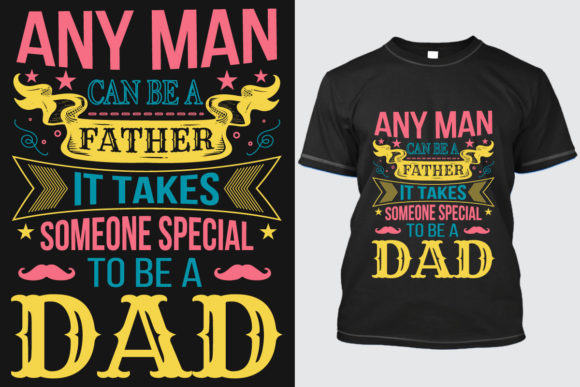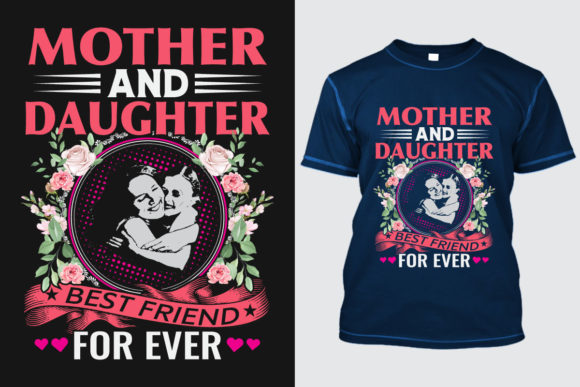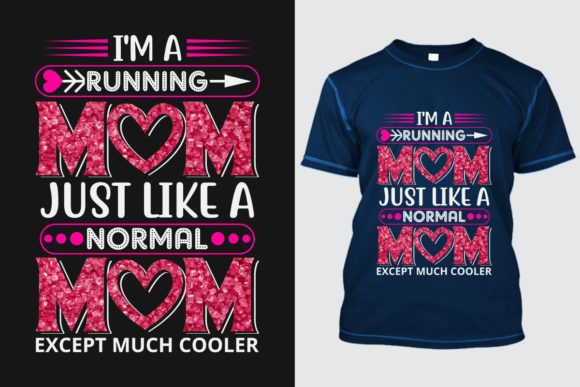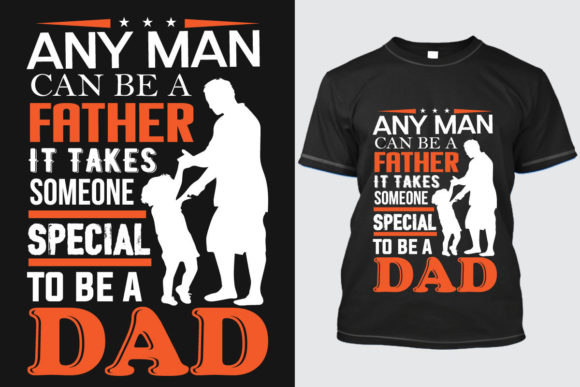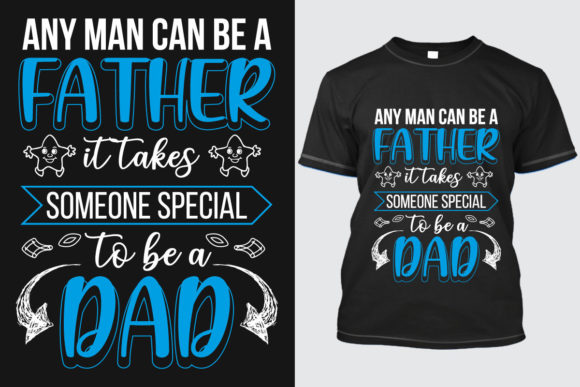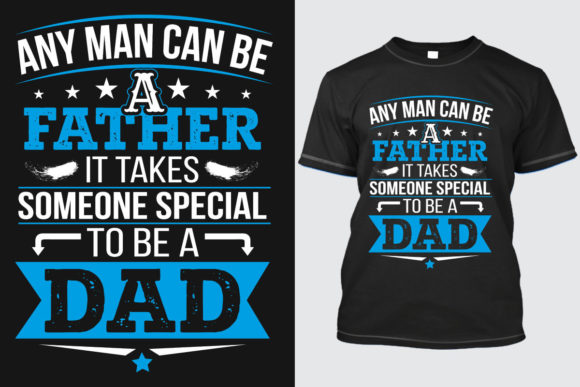
Reviewing Father s Day T-shirt Design 3 for Real Use
As a designer who spends more time staring at stitch maps than finished garments, I have learned that not all T-Shirt Designs translate well from screen to fabric. When I first opened the file for Father s Day T-shirt Design 3, my immediate goal was not just to admire the aesthetics but to determine its viability in a real-world production environment. For Etsy sellers, small shop owners, and hobbyists, the difference between a bestseller and a refund request often lies in how a design handles the physical constraints of embroidery. This review breaks down how this specific graphic performs when subjected to needle, thread, and tension.
First Impressions and Visual Personality
The initial visual impact of Father s Day T-shirt Design 3 is warm and approachable. It avoids the overly aggressive or cliché tropes sometimes found in holiday graphics, opting instead for a layout that feels personal and heartfelt. The shape and theme suggest a design meant for connection rather than just decoration. From a compositional standpoint, the balance between positive and negative space is crucial for embroidery. If a design is too dense, it puckers the fabric; if it is too sparse, it lacks presence. This design appears to strike a thoughtful middle ground, making it suitable for a variety of embroidery projects ranging from casual wear to home decor.
The mood created by the artwork is one of appreciation and comfort. This is essential for holiday embroidery because the emotional resonance of the gift often drives the purchase decision. When evaluating Graphics for commercial use, I look for versatility. Does this design work on a rugged canvas tote? Does it look dignified on a structured cap? The visual personality of Father s Day T-shirt Design 3 suggests it is adaptable, provided the digitizer has optimized the stitch paths correctly.
Real-World Application Scenarios
To truly test the value of this asset, I mentally placed it into several common production scenarios. Consider a custom sweatshirt embroidery project for a local boutique. The texture of fleece or heavy cotton blend requires a design that can sit on top of the nap without getting lost. If Father s Day T-shirt Design 3 utilizes appropriate fill stitch techniques, it will provide the necessary coverage and durability. Conversely, if the design relies heavily on fine running stitch details, it might vanish into the fabric texture, reducing the perceived value of the handmade product.
Another practical application is the embroidered patch. Patches are increasingly popular for craft business owners because they allow for pre-production inventory. A design like this could be stitched out on twill, cut, and backed with adhesive. In this context, the edges of the design must be clean. Satin stitches along the borders need to be tight enough to prevent fraying but not so dense that they cause the patch to curl. If you are an Etsy seller looking to expand your design assets, verifying that this graphic holds up as a patch is a smart move before listing it as a personalized gift option.
I also considered its use on a tote bag design. Canvas is a stable fabric, but it has a visible weave. Designs with large solid areas can look impressive here, but they require significant stabilizer support. If Father s Day T-shirt Design 3 is intended for custom apparel like t-shirts, the stretch of the knit fabric becomes a primary concern. Knits require careful handling to avoid distortion. A design that looks perfect on a rigid hoop might look warped once removed from a jersey tee if the stitch density is too high for the fabric weight.
Technical Considerations for Stitching
When moving from concept to execution, technical details dictate success. One of the first things I check in any new machine embroidery design is the stitch density. High density creates a rich, textured look but adds stiffness to the garment. For a baby embroidery project, such as a onesie or bib, softness is paramount. If Father s Day T-shirt Design 3 is dense, it may not be suitable for delicate infant skin or thin fabrics. In such cases, using a lighter weight thread or adjusting the tension might be necessary, though ideally, the digital file itself should be optimized for these variations.
Thread colors play a massive role in the final outcome. While the preview image shows a specific palette, real-life stitching allows for customization. However, some designs rely on color blending to create depth. If this design uses complex shading, switching to a monochromatic scheme might flatten the image. I recommend testing the design in black and white mockups first. This helps identify if the contrast relies solely on color or if the stitch direction and type provide sufficient definition. A robust embroidery file should maintain clarity even when stitched in a single color on a contrasting background.
Stabilizer selection is non-negotiable. For a design of this nature, a cut-away stabilizer is often safer for garments that will undergo frequent washing, while tear-away might suffice for decorative items like pillow covers or kitchen towels that see less abrasion. If you are stitching on curved surfaces, such as caps, the hoop size and the ability of the design to conform to the curve are critical. Sharp corners or wide spans of satin stitch can bridge or gap on curved hats. Always check if the design elements are compact enough to fit within standard cap frames if that is your intended market.
Navigating Fabric and Hoop Constraints
Not every fabric is a friend to every design. Textured fabrics like linen or waffle knit can obscure fine details. If Father s Day T-shirt Design 3 contains tiny lettering or intricate lines, these may get lost in the weave. In such cases, increasing the stitch count slightly or choosing a smoother fabric like broadcloth or polished cotton can enhance visibility. Dark fabrics present another challenge. If the design includes light-colored threads, ensuring adequate underlay stitches is vital to prevent the dark fabric from showing through the top stitches, which can make the design look muddy or unfinished.
Hoop size is another limiting factor. Before purchasing or downloading any digital embroidery file, confirm that the design fits your available hoops. A design that is too large for a 4x4 hoop but perfect for a 5x7 offers different marketing opportunities. Smaller hoops are great for pocket logos on shirts or cuffs on sleeves, while larger hoops allow for statement pieces on the back of jackets or center-chest placements. Understanding these constraints helps you position Father s Day T-shirt Design 3 effectively in your small shop product lineup.
Commercial Viability and Brand Consistency
For professional decorators and commercial embroidery providers, consistency is key. A design that stitches out reliably builds customer trust. If Father s Day T-shirt Design 3 produces a high-quality finished product with minimal troubleshooting, it becomes a valuable asset in your portfolio. It enhances brand consistency by allowing you to offer themed items that match your usual standard of quality. Buyer engagement often increases when customers see clear, crisp stitching in your printable mockup or product photos, as it signals professionalism.
However, always verify licensing terms. The description mentions buying files for yourself, friends, family, or supporters, but commercial rights can vary. If you plan to sell items made with this design on Etsy or at craft fairs, ensure you have the appropriate license. Using a design without proper commercial rights can lead to legal issues and damage your reputation. Always read the fine print associated with the T-Shirt Designs you purchase.
Final Practical Notes for Designers
Before committing to a full production run, always test the design on scrap fabric identical to your final material. Check for thread breaks, nesting, or registration issues. Inspect small details closely; if letters are touching or lines are merging, the design may need editing or a different scale. Compare the result on both light and dark fabrics to ensure versatility. By treating Father s Day T-shirt Design 3 with this level of scrutiny, you ensure that every item you produce reflects the care and expertise your customers expect. This practical approach transforms a simple graphic into a reliable, revenue-generating tool for your creative business.