Reviewing the Retired Lineman Design for Embroidery
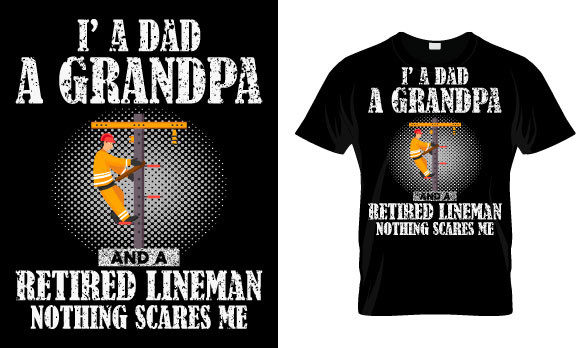
As an experienced designer who spends half my life tweaking stitch paths and the other half sourcing blank apparel, I approach every new machine embroidery design with a healthy dose of skepticism. We have all been there: you download a cute graphic, load it onto your machine, and watch in horror as the thread bunches up or the details vanish into the fabric. That is why when I came across the Lineman T Shirt Design, Retired Lineman, I did not just look at the preview image. I looked at it through the lens of production.
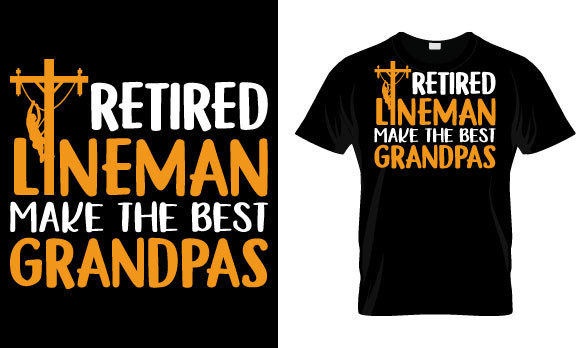
This is not just another generic graphic. It is a specific niche piece targeting a proud demographic: the retired lineman who has transitioned into the role of grandpa. The phrase "Retired Lineman Make The Best Grandpas" carries weight. It speaks to hard work, safety, and family legacy. But does it translate well from a digital file to a tangible finished product? Let us break down how this design performs in real-world scenarios.
First Impressions and Visual Personality
The first thing that strikes me about this embroidery file is its clarity. In the world of Print Templates and Graphics, clutter is the enemy. This design avoids unnecessary noise. The layout is straightforward, likely utilizing bold, legible typography paired with thematic iconography that represents the lineman profession. For an embroidery project, this is crucial. Complex gradients and tiny shadows do not translate well to thread. What we need are strong shapes and clear lines.
The mood here is respectful and celebratory. It is not overly cartoonish, which makes it versatile. It feels appropriate for a rugged sweatshirt or a clean polo shirt. When I visualize this stitched out, I see a design that relies on solid fills and perhaps some satin stitch borders to define the edges. This visual personality suggests durability. It is not a delicate, lacy motif; it is a statement piece meant to be seen and worn with pride.
Real-World Application: The Custom Sweatshirt Scenario
To truly evaluate the Lineman T Shirt Design, Retired Lineman, let us imagine a typical order for a small shop owner or an Etsy seller. A customer approaches you in October. They want a personalized gift for their father, a retired utility worker, for Christmas. They choose a heavy, charcoal-grey crewneck sweatshirt. This is a classic custom apparel scenario.
In this context, the design needs to hold its own against the textured surface of fleece or heavy cotton. If the stitch density is too low, the grey fabric will show through the threads, making the design look cheap. If the density is too high, the sweatshirt might pucker around the hoop area. Based on the bold nature of the text and theme, this design appears suited for medium-to-high density fill stitches. This ensures that the white or bright yellow threads typically used for lineman themes pop against the dark fabric.
I can easily see this working as a chest-left logo or a larger back print. For a personalized gift, the emotional connection is already there. The design simply needs to execute cleanly. If the lettering is thick enough, it will survive years of washing without fraying, which is a key selling point for any handmade product.
Versatility Across Products
Beyond sweatshirts, where else does this digital embroidery file shine? I see strong potential in several areas:
- Tote Bag Design: Canvas bags are popular for everyday carry. A bold lineman design adds character to a utilitarian item. Ensure you use a cut-away stabilizer to prevent distortion on the loose weave of canvas.
- Embroidered Patch: This is perhaps the most versatile application. By stitching the design onto twill and cutting it out, you create an applique design or a standard patch that can be ironed or sewn onto jackets, hats, or tool bags. This expands the product line without needing to embroider directly onto difficult garments.
- Caps and Hats: Curved surfaces are tricky. If the design is wide, it may not fit standard cap frames. You must check the dimensions. If it fits, it makes for a fantastic small shop product for local utility companies or retirement parties.
- Pillow Covers: For home decor, this could work on a denim or canvas pillow cover, appealing to spouses who want to honor their partner’s career in their living space.
Technical Considerations and Pitfalls
While the design is strong, no embroidery project is without its technical challenges. Here is where your experience as a maker comes into play.
Fabric Texture and Stability: Avoid using this on thin, stretchy fabrics like lightweight rayon or jersey knits unless you are an expert with stabilizers. The weight of the thread could cause the fabric to sag. Always test on scrap fabric first. If you are stitching on a tote bag or heavy cotton, a tear-away stabilizer might suffice, but for caps or performance wear, a cut-away is non-negotiable.
Thread Colors and Contrast: Lineman themes often involve safety colors—high-vis yellow, orange, or bright blue. When digitizing or selecting thread colors for this Graphics template, ensure high contrast. If the background is navy, do not use black thread for the text. Test your thread colors in natural light. A poor color choice can make even the best design look muddy.
Small Details and Lettering: Examine the smaller elements. Are there tiny dots or intricate corners? In embroidery, these can become snags. If the design includes small text below the main phrase, verify that it remains legible at your intended hoop size. If you are scaling the design down for a pocket spot, those small details might merge. Always inspect the design at 100% zoom in your software before sending it to the machine.
Commercial Value and Brand Consistency
For craft business owners, consistency is key. Using a well-structured machine embroidery design like this helps build trust. Customers associate clean stitching with professionalism. If you are selling commercial embroidery services to local businesses, having a ready-made, high-quality design for retirees saves you digitizing time. You can offer it as a standard option in your catalog.
Furthermore, this design fits perfectly into seasonal marketing. Think holiday embroidery for Christmas gifts or Father’s Day promotions. It is evergreen because retirement is a constant life event. By offering this on various items—from baby embroidery onesies (for the grandkids to wear) to adult apparel—you create a cohesive collection. This increases the perceived value of your brand.
Final Designer Notes
Before you commit to a large batch of custom apparel or list this as a new item in your online store, take these practical steps:
- Check Licensing: The product description mentions buying digital files for yourself, friends, and family. However, if you plan to sell finished items, you must confirm the license terms. Does the seller allow commercial use of the finished product? Never assume. Check the specific license included with the design assets.
- Verify File Formats: Ensure the download includes the format compatible with your machine (PES, DST, JEF, etc.). The description lists it under Print Templates, which can sometimes be confusing. Confirm it is indeed an embroidery file and not just a PNG for sublimation.
- Test Stitch Out: Run a test on similar fabric to your final product. Check for thread breaks, tension issues, and registration accuracy.
- Mockup Presentation: When listing this item, use high-quality printable mockup images or photos of actual stitched samples. Show the texture of the thread. Buyers want to see the reality of the finished product, not just a flat digital graphic.
The Lineman T Shirt Design, Retired Lineman is a solid contender for your library. It serves a specific, passionate audience and offers versatility across multiple product types. With careful attention to stabilizer choice, thread contrast, and licensing, it can become a reliable staple in your small shop product lineup. Treat it with the technical respect it deserves, and it will deliver professional results that keep customers coming back.