Reviewing the "I Got It from My Auntie" Design for Embroidery
As a designer who spends half my life digitizing and the other half stitching, I have learned that not every cute phrase translates well to thread. We see thousands of design assets flood the market, but few stand up to the scrutiny of a real-world embroidery project. Today, I am taking a close look at the I Got It from My Auntie Quote design. This isn’t just about whether it looks good on a screen; it is about how it performs when the needle hits the fabric. For Etsy sellers, craft business owners, and hobbyists, understanding the practical application of a file is the difference between a returned item and a five-star review.
First Impressions: Mood and Visual Personality
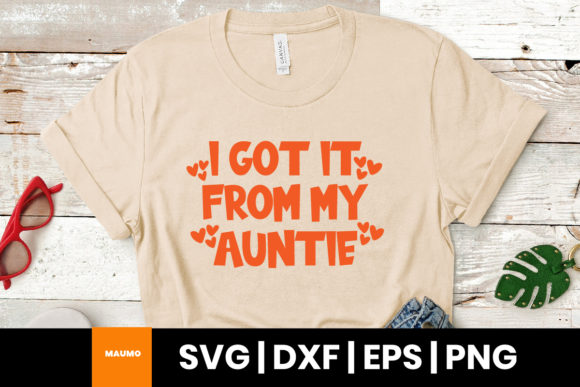
The first thing that strikes me about the I Got It from My Auntie Quote is its playful, familial warmth. It captures a specific niche of humor that resonates deeply in the gift market. Visually, the layout suggests a balance between readability and decorative flair. When evaluating any machine embroidery design, I look for clear lines and intentional spacing. This quote appears to lean into a typographic style that is popular in modern Print Templates and Graphics, which means it likely relies on clean curves and distinct letterforms.
The mood is lighthearted and affectionate. It is not overly formal, which makes it versatile. However, from a technical standpoint, playful fonts can be tricky. If the letters are too thin, they may disappear into the fabric pile. If they are too dense, the garment will pucker. My initial assessment is that this design works best when treated as a statement piece rather than a subtle accent. It demands attention, which is exactly what you want for a personalized gift meant to spark conversation.
Real-World Application: The Tote Bag Test
To truly evaluate this design, I imagined applying it to a canvas tote bag design. This is a high-volume item for many small shop product lines. Canvas is sturdy, but it has a visible weave. When I visualize the I Got It from My Auntie Quote stitched onto a natural cotton tote, the contrast becomes key. A dark thread on a light bag would make the text pop, ensuring the message is readable from a distance.
In this scenario, the design serves as the focal point. Because tote bags are often used daily, the durability of the stitch matters. If this were an applique design, I would worry about edges lifting after multiple washes. However, assuming it is a standard fill or satin stitch execution, it should hold up well. The humor of the phrase adds value to a simple utility item, transforming a generic bag into a unique accessory. This is the kind of thinking that helps handmade product creators justify higher price points. You are not just selling a bag; you are selling a sentiment.
Apparel and Custom Gear Considerations
Moving beyond totes, let’s consider custom apparel. A sweatshirt embroidery project using this quote could be a bestseller during the holiday season. Sweatshirts have a thick, fuzzy texture that can swallow small details. Here, the size of the I Got It from My Auntie Quote matters immensely. If the design is scaled down too much, the intricate parts of the letters might merge. I recommend keeping the design at a medium to large size on chest placements to maintain clarity.
For baby embroidery, such as on a onesie or a burp cloth, the context changes. The phrase is funny, but babies have sensitive skin. If the design uses a heavy fill stitch, it might feel scratchy against a infant’s neck. In this case, I would advise using a soft stabilizer and perhaps opting for a lighter thread weight if the machine allows. Alternatively, placing the design on the lower back or the leg of the onesie avoids direct contact with sensitive areas while still showcasing the cute message.
Technical Challenges and Fabric Choices
No design is universal, and the I Got It from My Auntie Quote is no exception. There are specific situations where you need to proceed with caution. Fabric texture plays a massive role in the final outcome. On textured fabrics like terry cloth or fleece, fine details can get lost. If you are stitching on these materials, ensure the design does not rely on hairline strokes. A running stitch outline might not be sufficient to define the letters against a busy background.
Stretchy fabrics present another challenge. If you are putting this on a jersey knit t-shirt, the fabric will stretch during wear. If the stitch density is too high, the embroidery will act like a non-stretch patch, causing the fabric around it to ripple or pucker. To mitigate this, use a cut-away stabilizer rather than a tear-away. This provides ongoing support to the stitches and prevents distortion over time.
Dark fabrics require careful planning of thread colors. If you are stitching white thread on a black hoodie, you must ensure there are no gaps in the coverage. Sometimes, a underlay stitch is necessary to build a foundation before the top stitching begins. Always test your tension settings on a scrap piece of the same fabric before committing to the final finished product.
Enhancing Product Value and Brand Consistency
Why choose this specific quote? For commercial embroidery professionals, consistency is key. If your brand focuses on family-centric, humorous, or quirky items, the I Got It from My Auntie Quote fits perfectly. It enhances brand recognition because it speaks to a specific customer identity. Buyers who identify as proud nieces or nephews will feel seen. This emotional connection drives engagement and sales.
Furthermore, using high-quality digital embroidery file sources ensures that your printable mockup images look professional. When customers see a crisp, clean representation of the design online, their trust in your craftsmanship increases. Poorly digitized designs look jagged and amateurish, which can hurt your reputation. Always inspect the file paths and node counts if you have access to the source vectors, as this often correlates with smoother stitching.
Practical Notes for the Embroidery Designer
Before you load this design into your machine, take a moment to prepare. Here is my checklist for ensuring success with the I Got It from My Auntie Quote:
- Test on Scrap Fabric: Never skip this step. Stitch the design on the exact type of fabric you plan to use for the final item. Check for puckering, thread breaks, or registration issues.
- Check Hoop Size: Ensure the design fits comfortably within your hoop. Leaving adequate margin around the design prevents hoop burns and allows for proper stabilization.
- Review Stitch Density: If the design feels too stiff after stitching, reduce the density in your editing software. If it looks sparse, increase it slightly or add a heavier underlay.
- Contrast is King: Choose thread colors that contrast sharply with the fabric. Low-contrast combinations can make the text difficult to read, defeating the purpose of the quote.
- Verify Licensing: The product description mentions SVG and DXF files, which are typically used for cutting machines like Cricut or Silhouette. If you are using these for embroidery, you may need to convert them or ensure you have the rights to use the vector art for commercial embroidered goods. Always confirm the license terms for both personal and commercial projects.
- Inspect Small Details: Zoom in on the digital file. Are there any overlapping nodes or tiny fragments that might cause the machine to jump? Clean up the file if necessary before stitching.
In conclusion, the I Got It from My Auntie Quote is a charming addition to your library of embroidery file options. It offers versatility across various products, from holiday embroidery gifts to everyday embroidered patch applications. By paying attention to fabric choice, stabilization, and stitch quality, you can transform this simple graphic into a high-value item that customers love. Whether you are a seasoned Etsy seller or a weekend maker, treating each design with this level of care will elevate your craft and grow your business.