Reviewing Love is Magical Sublimation Design for Embroidery
As a designer who spends half my life staring at digitized paths and the other half pulling threads out of bobbin cases, I approach new assets with a healthy dose of skepticism. We see thousands of T-Shirt Designs and Graphics flood the market every season, but few translate well from a flat digital screen to the textured reality of fabric. Recently, I evaluated the Love is Magical Sublimation Design with a specific goal in mind: could this typography-based asset work for a high-end, custom embroidered Valentine’s collection?
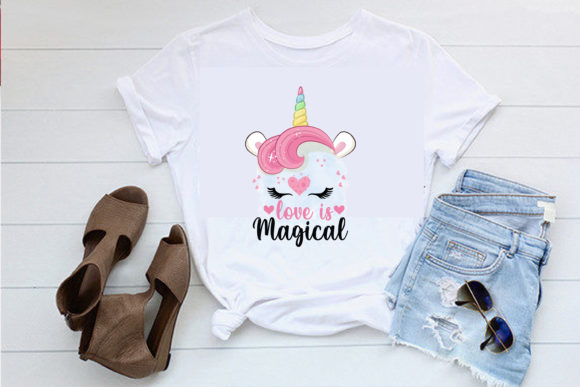
The initial impression is warm and inviting. The phrase "Love is Magical" carries a whimsical weight that appeals to a broad demographic, from young couples to parents looking for nursery decor. However, as an embroidery product reviewer, I am not just looking at the aesthetic; I am looking at stitchability. This design, originally marketed as a sublimation file for apparel, presents unique challenges and opportunities when adapted for needle and thread.
First Impressions and Visual Personality
The layout of the Love is Magical Sublimation Design relies heavily on typography. In the world of machine embroidery, text is both the easiest element to ruin and the most rewarding to get right. The font choice here suggests a blend of modern serif and playful script elements, which creates a mood of understated elegance rather than overt kitsch. For a craft business owner, this is crucial. You want a design that feels premium, not like a last-minute clipart addition.
When I visualized this on a neutral linen tote bag, the potential was immediate. The spacing between letters appeared generous enough to allow for clean satin stitches without excessive pull compensation issues. However, the "magical" aspect of the design implies a certain lightness. If digitized incorrectly, heavy fill stitches could weigh down the fabric, destroying the airy feel the design intends to convey. The visual personality is soft, romantic, and versatile, making it a strong candidate for personalized gifts where emotional resonance matters more than flashy graphics.
Real-World Application: From Screen to Stitch
To test the viability of this asset, I imagined a real-life scenario: preparing a batch of custom sweatshirts for a boutique client’s February release. Sweatshirt embroidery requires careful handling of stitch density because fleece and cotton blends can pucker if the design is too dense. The Love is Magical Sublimation Design, being primarily typographic, offers a distinct advantage here. Unlike complex illustrative Graphics that require massive fill areas, text can often be executed with efficient running stitches for outlines and precise satin stitches for the letter bodies.
I also considered its use on smaller items, such as baby onesies or kitchen towels. For baby embroidery, softness is paramount. A design with high stitch count can feel scratchy against sensitive skin. If this design were converted into an embroidery file, I would recommend using a lighter thread weight, perhaps 40wt or even 60wt polyester, to maintain the delicate appearance while ensuring durability. On a tea towel, the contrast of white thread on natural linen would highlight the structural integrity of the letters, turning a simple household item into a cherished holiday gift.
For Etsy sellers and small shop owners, versatility is key. This design could easily transition from a central chest placement on a t-shirt to a subtle cuff detail on a long-sleeve shirt. It fits naturally into the category of commercial embroidery projects where branding consistency and professional finish are non-negotiable. The design does not scream for attention; it invites it, which is often more effective for building customer trust and perceived value.
Navigating Technical Challenges
While the aesthetic is strong, we must address the technical realities. Since the source material is described as a sublimation design, it is likely a raster image (PNG or JPG) rather than a native vector or embroidery file. This means you cannot simply load it into your machine. You must digitize it or hire a digitizer. This is a critical distinction for hobbyists and makers who might assume all digital files are ready-to-stitch.
When working with typography, small details are the first to suffer. If you plan to hoop this design in a small 4x4 inch hoop, you must ensure the lettering remains legible. Tiny serifs or thin connections between letters can break during stitching or look messy due to thread bulk. I advise testing the design on scrap fabric first, specifically using the same stabilizer you intend to use for the final product. A cut-away stabilizer is usually best for garments that will be washed frequently, while tear-away might suffice for decorative pillows that see less wear.
Fabric texture also plays a significant role. On smooth cotton poplin, the satin stitches will lie flat and shine. On textured fabrics like terry cloth or wool blends, the stitches may sink in, losing definition. In such cases, adding a topping stabilizer can help the thread sit on top of the fabric texture, preserving the clarity of the "Love is Magical" message. Additionally, dark fabrics require careful thread color selection. While white or cream is classic, consider metallic threads for a literal "magical" effect, though these require slower machine speeds and tension adjustments.
Enhancing Product Value and Brand Consistency
Why choose this specific design over countless others? Because it balances trendiness with timelessness. Valentine’s Day designs often lean heavily into hearts and cupids, which can feel dated quickly. A typography-focused approach like Love is Magical Sublimation Design feels more contemporary and sophisticated. For a handmade product, this elevates the perceived quality. Customers are willing to pay more for items that look like they belong in a high-end boutique rather than a discount bin.
For digital product sellers, offering this as part of a curated collection of design assets can boost engagement. If you provide printable mockups showing the design on various products—tote bags, caps, aprons—you help the buyer visualize the end result. This reduces hesitation and increases conversion rates. Remember, you are not just selling a stitch pattern; you are selling the potential for a beautiful finished product.
Practical Designer Notes for Best Results
Before you commit to production, keep these practical tips in mind:
- Verify Licensing: The product description mentions it is a T-Shirt Design digital file. Confirm whether the license allows for commercial use of embroidered finished goods. Some designers restrict the use of their graphics to print-on-demand only.
- Digitization Quality: If you are digitizing this yourself, pay close attention to underlay stitches. Proper underlay prevents shifting and ensures the top stitches lay smoothly.
- Thread Contrast: Test the design in black and white mockups to ensure the shape holds up without color reliance. High contrast is essential for readability.
- Hoop Size Selection: Choose a hoop that minimizes re-hooping if possible, but ensure the fabric is drum-tight to prevent distortion of the lettering.
- Stabilizer Choice: Match your stabilizer to your fabric. Stretchy fabrics need robust support to prevent the design from warping after washing.
In conclusion, the Love is Magical Sublimation Design has strong potential for embroidery projects if approached with technical care. It is not just a graphic; it is a foundation for creating meaningful, personalized items. Whether you are an experienced decorator or a budding craft business owner, taking the time to understand how this design interacts with fabric and thread will result in a superior handmade product that resonates with customers.