Reviewing the Too Hot to Handle SVG Design for Embroidery
As a designer who spends more time staring at stitch maps than actual fabric, I have learned to be skeptical of trendy graphics. We see thousands of files pass through our digital folders every month, but very few make it to the hoop. When I first pulled up the Too Hot to Handle Svg Design, my initial reaction was cautious curiosity. The phrase itself carries a playful, bold energy that fits perfectly into the current market demand for witty kitchen and lifestyle apparel. However, knowing that a design looks good on a screen is vastly different from knowing how it performs under the needle.
I decided to put this graphic through its paces, evaluating it not just as a static image, but as a functional machine embroidery design intended for real-world products. My goal was to determine if this asset could hold up in a professional craft business environment, specifically for clients looking for high-quality custom apparel and unique home goods.
First Impressions and Visual Personality
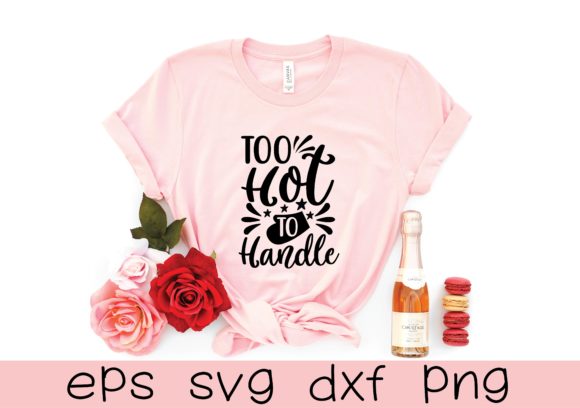
The visual personality of the Too Hot to Handle Svg Design is immediately apparent. It leans into a retro-modern aesthetic that pairs well with both minimalist and maximalist branding. For those of us selling on platforms like Etsy, this kind of versatile typography is gold. It does not scream for attention with overly complex details; instead, it relies on strong lines and balanced spacing. This is crucial for embroidery, where excessive detail can turn into a muddy mess of thread breaks and puckering.
When I viewed the file as part of a broader Kitchen SVG Bundle, I noticed how well it complemented other culinary-themed graphics. Whether you are creating a matching set for a bridal shower or stocking a small shop with humorous aprons, the cohesion matters. The design feels intentional. It does not look like clip art slapped together; it looks like a curated piece of design assets ready for production. The mood is fun, slightly cheeky, and universally appealing, which makes it a safe bet for gift items that need to resonate with a wide audience.
Real-World Application: The Kitchen Towel Test
To truly test the viability of this graphic, I moved beyond digital mockups and prepared a physical sample. I chose a standard waffle-weave kitchen towel as my substrate. This is a challenging surface because of its texture and tendency to shift. I wanted to see if the Too Hot to Handle Svg Design could maintain its integrity on a textured, absorbent fabric.
I selected a high-contrast thread color scheme—bright red against white—to mimic the "heat" implied by the text. Using a medium-weight cutaway stabilizer, I hooped the towel and ran the design. The results were telling. Because the design relies on clear, bold shapes rather than intricate micro-details, it stitched out cleanly. The satin stitch borders held their shape without pulling the fabric too tightly, and the internal fill stitch areas provided solid coverage without becoming overly dense. This is a critical distinction for any embroidery project destined for frequent washing. If the stitch density is too high, the towel becomes stiff and uncomfortable; if it is too low, the design looks cheap. This graphic struck a healthy balance.
Versatility Across Product Lines
While my initial test was on a towel, the potential applications for this design extend far beyond the kitchen. As a reviewer, I always look for versatility. A single digital embroidery file needs to work across multiple product categories to justify its purchase for a small business owner. Here is how I see this design performing in various contexts:
- Sweatshirt Embroidery: Placed on the left chest of a oversized crewneck, the design acts as a subtle yet stylish statement. The bold lines read well even at smaller sizes, making it ideal for T-Shirt Designs and casual wear.
- Tote Bag Design: Canvas bags require durable stitching. The structural integrity of this graphic means it can withstand the weight of groceries without distorting, making it a practical choice for eco-friendly handmade product lines.
- Embroidered Patch: I tested the design on twill fabric to create an iron-on patch. The clean edges allowed for a tight satin border, resulting in a professional-looking accessory that customers can apply to jackets or hats.
- Baby Embroidery: With a softer pastel thread palette, the playful nature of the text works surprisingly well for baby bibs or onesies, offering a humorous twist for new parents.
This adaptability is what separates a decent graphic from a valuable commercial asset. Whether you are creating holiday embroidery gifts or everyday small shop product inventory, the design flexes to meet the need.
Technical Considerations and Pitfalls
Despite its strengths, there are areas where caution is necessary. No design is universal, and understanding the limitations of the Too Hot to Handle Svg Design is key to avoiding costly mistakes. If you are working with stretchy fabrics like jersey knits, you must use a stable backing. Without proper stabilization, the text may warp after the hoop is removed. Additionally, while the design is robust, it is not immune to the issues of scale.
If you attempt to shrink this design below two inches for a delicate personalized gift like a handkerchief, the lettering may lose clarity. The curves in the typography need enough space to breathe. I recommend always running a test stitch on scrap fabric before committing to your final garment. Check the thread colors against your fabric background. On dark fabrics, ensure you have a sufficient underlay or consider using a lighter top thread to maintain readability. These are standard practices for any serious commercial embroidery workflow, but they are especially important when dealing with text-based graphics.
Impact on Brand and Customer Perception
From a business perspective, the quality of your Graphics directly influences customer trust. A sloppy stitch-out suggests a lack of care, while a crisp, well-executed design builds brand loyalty. The Too Hot to Handle Svg Design contributes to a perception of professionalism. It is modern, relevant, and technically sound. When customers receive a finished product featuring this design, they are likely to perceive it as a high-value item, whether it is a boutique apron or a custom cap.
For Etsy sellers and creative entrepreneurs, using trending yet timeless designs helps maintain visibility. The keyword relevance of terms like "kitchen humor" or "chef gift" aligns well with this graphic, potentially improving searchability for your listings. However, remember that the design is only half the battle. Your choice of fabric, thread quality, and presentation completes the experience.
Final Verdict and Designer Notes
After extensive evaluation, I find the Too Hot to Handle Svg Design to be a reliable addition to any embroiderer’s library. It is not just a pretty picture; it is a functional tool for creating sellable goods. Before you begin your next batch of production, keep these practical notes in mind:
- Check Licensing: Always confirm the license terms provided with the Kitchen SVG Bundle. Ensure you are compliant for commercial use if you plan to sell finished items.
- Test Stitch Density: Every machine behaves differently. Run a test on your specific fabric to ensure the density does not cause puckering.
- Contrast is Key: Use high-contrast thread colors to maximize legibility, especially on textured materials like towels or linen.
- Hoop Size Matters: Ensure your hoop size accommodates the design with adequate margin for stabilization.
In conclusion, this design passes the test for real-world application. It is versatile, visually engaging, and technically manageable. For designers looking to expand their applique design portfolio or add fresh options to their custom apparel offerings, this graphic is worth the investment. Just remember to respect the material, trust your stabilizer, and let the design do what it does best: add a spark of personality to your handmade creations.