Review: Pontoon T Shirt Design, Pontoon Girl for Embroidery
As a designer who spends half my life digitizing and the other half stitching, I have learned that not every graphic translates well to thread. When I first pulled up the Pontoon T Shirt Design, Pontoon Girl, my immediate reaction was one of cautious optimism. The theme is undeniably popular in the lifestyle and leisure market, evoking sunny days, lake life, and relaxed weekends. But popularity does not guarantee stitchability. My job here is to look past the pretty preview image and evaluate how this design actually performs when put under the needle of a real embroidery machine.
First Impressions and Visual Personality
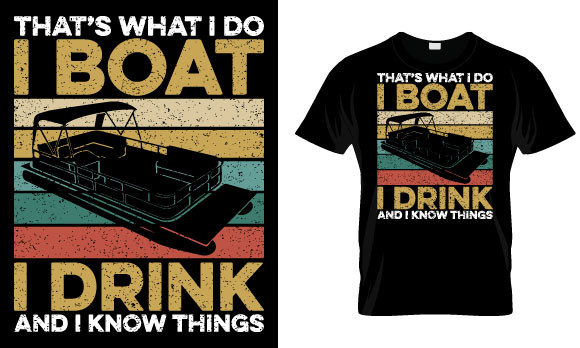
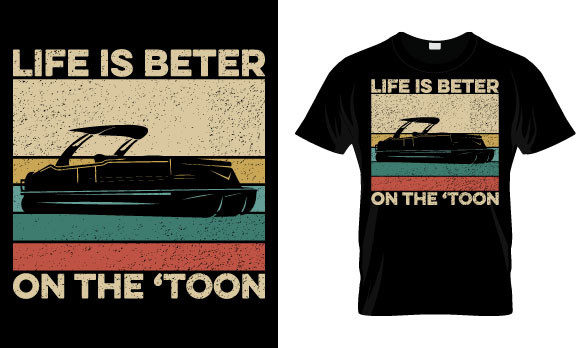
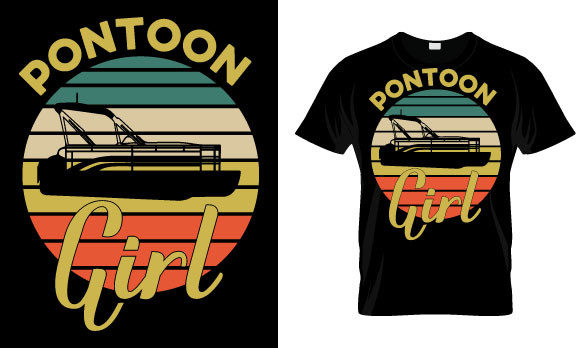
The mood of this piece is playful and inviting. It captures a specific demographic—women who enjoy boating culture—with a sense of fun rather than rigid formality. From a layout perspective, the design relies on clear shapes and recognizable silhouettes. For an embroidery project, this is a strong starting point. Complex gradients and photo-realistic details are the enemies of clean stitching, but bold, defined graphics tend to hold up well. The visual personality suggests this belongs on casual wear or home goods rather than formal attire. It feels like a design meant to spark conversation at a family reunion or a summer party.
When evaluating Print Templates and Graphics for conversion to thread, I always look for potential trouble spots. Are there tiny, isolated elements that might get lost? Is the text legible at smaller sizes? In this case, the central figure and accompanying text appear balanced. However, the transition from a digital file to a physical embroidery file requires careful attention to stitch density and direction. A design that looks crisp on a screen can become a puckered mess on fabric if the underlying structure isn't sound.
Real-World Application: The Custom Tote Test
To truly understand the value of the Pontoon T Shirt Design, Pontoon Girl, I imagined a specific real-life scenario. Let’s say you are an Etsy seller preparing a batch of custom canvas tote bags for a bridal party heading to a lake house wedding. This is a perfect use case. The design’s thematic fit is obvious, but the technical execution is what will determine customer satisfaction.
I would approach this by treating the design as a focal point on a medium-weight cotton canvas. Canvas is forgiving, but it requires a sturdy stabilizer to prevent the heavy stitching from distorting the bag’s shape. If I were stitching this as a sweatshirt embroidery piece, the approach would change. Fleece and terry cloth have a pile that can swallow small details. In that context, I would recommend increasing the satin stitch width slightly to ensure the outlines remain visible against the textured background. This adaptability is key for any craft business owner looking to maximize the utility of a single digital embroidery file.
Versatility Across Product Lines
Beyond totes and sweatshirts, this design has potential in several other areas of commercial embroidery. Consider it for:
- Custom apparel: Ideal for family vacation shirts where durability and washability are priorities.
- Embroidered patches: If digitized with a border, this could become a collectible patch for boating enthusiasts.
- Holiday embroidery: Perfect for Fourth of July or summer solstice gifts.
- Personalized gift: Add a name below the main graphic to increase perceived value.
- Small shop product: Use it on aprons for lakeside cafes or boat rental businesses.
The key to success in these varied applications is understanding how the thread colors interact with the base material. A bright, high-contrast palette works well on dark navy shirts, while a softer, tonal approach might suit a light beige linen pillow cover. As a reviewer, I appreciate designs that offer this flexibility, allowing the maker to imprint their own brand aesthetic onto the final finished product.
Technical Considerations and Potential Pitfalls
While the concept is strong, there are areas where the Pontoon T Shirt Design, Pontoon Girl requires careful handling. Any experienced embroiderer knows that certain elements can cause headaches if not managed properly. Here is what I would watch out for:
- Small Hoop Sizes: If you are working with a 4x4 inch hoop, you may need to resize the design. Be cautious here. Shrinking a design too much can cause the stitches to overlap excessively, leading to thread breaks and needle damage. Always check the minimum recommended size.
- Text Legibility: If the design includes script or small lettering, test it on scrap fabric first. What looks readable on a monitor might turn into a blurry blob when stitched out at two inches tall. If the text is crucial, consider simplifying the font or increasing its size relative to the graphic.
- Fabric Texture: On stretchy fabrics like jersey knits, the pull of the stitches can cause warping. Using a cut-away stabilizer is non-negotiable here. For woven fabrics like cotton or linen, a tear-away might suffice, but always test for stability.
- Dense Stitch Areas: Look closely at any solid filled areas in the design. If the fill stitch pattern is too dense, it can create a stiff, cardboard-like feel on the garment. This is uncomfortable for the wearer and can affect the drape of the fabric. Adjusting the density in your digitizing software, if you have the editable file, can mitigate this.
It is also worth noting that curved surfaces, such as caps, present a unique challenge. The design needs to be centered perfectly, and the curvature of the cap can distort the image if not hooped correctly. For a custom apparel line involving hats, I would recommend creating a specialized version of the design that accounts for this distortion.
Enhancing Brand Value and Customer Trust
Why does the quality of your design assets matter? Because it directly impacts your brand consistency and customer trust. When a buyer receives a handmade product that looks professional, with clean edges and no loose threads, they are more likely to leave a positive review and return for future purchases. The Pontoon T Shirt Design, Pontoon Girl can be a powerful tool in building this reputation if used correctly.
Using this design in your printable mockup previews can also boost engagement. Show potential customers how the design looks on different colored shirts or bags. This helps them visualize the personalized gift they are buying, reducing hesitation and increasing conversion rates. For small business merchandise, consistency is key. If you use this design across a collection of items—towels, shirts, and bags—ensure the color palette remains consistent to strengthen brand recognition.
Practical Notes for the Embroidery Designer
Before you commit to a large production run using the Pontoon T Shirt Design, Pontoon Girl, take these practical steps:
- Test on Scrap Fabric: Never stitch directly on your final garment without a test run. Use the same type of fabric and stabilizer you plan to use for the final product.
- Check Thread Contrast: Ensure your thread colors stand out against the fabric. A low-contrast combination might look subtle in person but can appear muddy in photos.
- Inspect Small Details: After stitching, examine the design under good light. Look for gaps in the coverage or uneven tension. These small flaws can detract from the overall professionalism of the piece.
- Confirm Licensing: The product description mentions buying digital files for yourself, friends, and family. However, if you are an Etsy seller or run a craft business, you must confirm whether the license allows for commercial use. Selling finished items made with this design may require a different license tier. Always clarify this with the seller before proceeding.
- Review File Formats: Ensure the downloaded embroidery file is compatible with your machine. Common formats include PES, DST, and JEF. If the format is not listed, ask the seller for clarification.
In conclusion, the Pontoon T Shirt Design, Pontoon Girl offers a charming and marketable aesthetic for those in the lifestyle niche. With careful attention to technical details like stabilizer choice, stitch density, and fabric compatibility, it can be a valuable addition to your library of design assets. It is not just a graphic; it is a starting point for creating memorable, high-quality embroidery projects that resonate with customers. Treat it with the respect it deserves, test thoroughly, and let your craftsmanship shine through in every stitch.