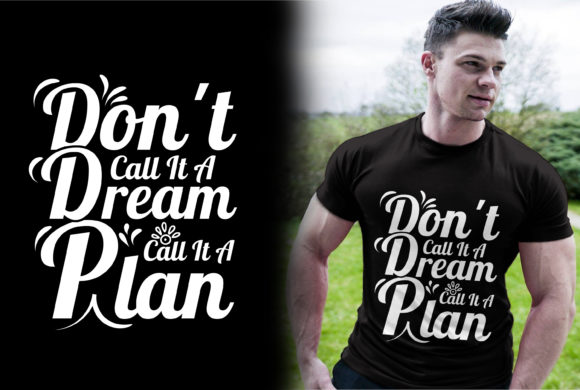
Review: Dont Call It Dream, Call It a Plan SVG
As an embroidery designer who has spent countless hours digitizing and testing files for real-world application, I approach every new machine embroidery design with a critical eye. It is not enough for a file to look good on a screen; it must perform under the needle. Recently, I evaluated Dont Call It Dream, Call It a Plan SVG, a typography-focused asset marketed toward print-on-demand businesses and creative entrepreneurs. While the product description lists it under Print Templates and Graphics, my interest lay in how this digital asset translates into a tangible embroidery project. Here is my practical assessment of its potential for your next handmade product.
First Impressions and Visual Personality
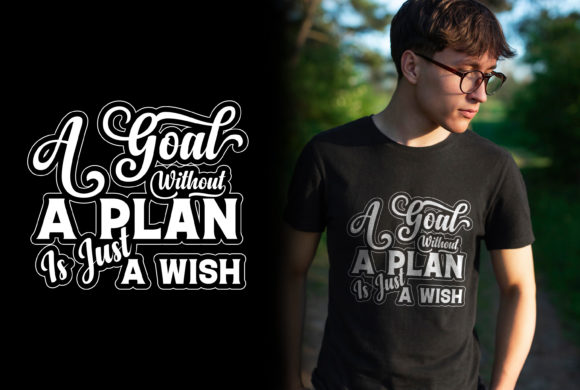
The phrase "Don't Call It a Dream, Call It a Plan" carries a motivational, go-getter energy that resonates strongly with modern audiences. Visually, the design relies heavily on typography. In the context of embroidery, typography is deceptively challenging. The success of such a design depends entirely on font weight, spacing, and the clarity of each letterform once stitched. My initial review of the SVG file format suggests a clean, bold structure that should hold up well, provided the digitizer has accounted for proper pull compensation.
The mood is professional yet inspiring. It does not scream for attention with excessive decorative elements, which makes it versatile. This simplicity is a strength for custom apparel where readability is key. When I imagine this design on a tote bag design or a structured cap, the straightforward layout ensures the message remains the focal point. For Etsy sellers and small shop product creators, this kind of clear, impactful messaging often drives higher engagement because it communicates value instantly.
Real-World Application: The Sweatshirt Test
To truly gauge the utility of Dont Call It Dream, Call It a Plan SVG, I visualized it on a heavy-weight cotton sweatshirt. This is a staple item for many craft business owners. The design’s typographic nature means it will likely require a combination of fill stitch for larger letters and potentially satin stitch for smaller details or outlines, depending on how you choose to digitize or adapt the vector.
In this scenario, the design performs well because it avoids overly intricate corners that can bunch up on thick fabric. The statement fits perfectly on the chest or across the back of a hoodie. For a personalized gift, such as a graduation present or a promotion celebration, this design adds a layer of sophistication. It moves beyond generic cheerleading into actionable motivation. Customers looking for finished product quality will appreciate that the text is legible from a distance, enhancing the perceived value of the garment.
Considerations for Smaller Items and Textured Fabrics
While the design shines on larger canvases like tote bags and sweatshirts, caution is required when scaling it down. If you intend to use this on a baby embroidery project, such as a onesie or a small bib, you must carefully check the minimum height of the letters. Tiny lettering can become illegible if the stitch density is too high or if the thread spreads on soft, stretchy fabrics.
For textured fabrics like linen tea towels or waffle-knit blankets, the smooth lines of the typography might get lost if the fabric weave is too aggressive. In these cases, using a cut-away stabilizer is non-negotiable to prevent distortion. Additionally, if you are applying this to a curved surface like a cap, ensure the design is centered correctly to avoid wrapping around the side seams, which can distort the reading of the text.
Technical Performance and File Versatility
The product description notes that the file is fully editable and comes in SVG, EPS, JPG, and PNG formats. For an embroidery professional, the SVG and EPS files are the most valuable. These vector formats allow you to resize the design without losing quality, which is crucial for adapting the artwork to different hoop size constraints. Whether you are working with a 4x4 inch hoop for a patch or a 5x7 inch hoop for a towel, the scalability ensures crisp edges.
However, it is important to note that an SVG is not a native embroidery file (such as PES or DST). You will need to use digitizing software to convert the vector paths into stitch data. This step gives you control over thread colors and stitch types. You can choose a contrasting running stitch for a subtle, sketch-like effect or a dense fill for a bold, printed look. The fact that the design is copyright-free simplifies the process for commercial embroidery projects, allowing you to sell the embroidered patch or garment without worrying about licensing fees, though always double-check the specific terms provided by the seller.
Enhancing Brand Consistency and Customer Trust
For digital product sellers and boutique owners, consistency is key. Dont Call It Dream, Call It a Plan SVG offers a neutral, adaptable aesthetic that can fit into various brand identities. Whether your brand is minimalist, corporate, or lifestyle-oriented, the message aligns with productivity and ambition. Using this design in your printable mockup previews can help customers visualize the final result, increasing buyer confidence.
When used in holiday embroidery gifts, such as New Year’s resolutions planners or back-to-school gear, the design feels timely and relevant. It transforms a simple item into a tool for motivation. This emotional connection enhances customer trust and encourages repeat business. A well-executed custom apparel piece featuring this quote becomes more than just clothing; it becomes a statement piece that the wearer is proud to display.
Practical Designer Notes for Best Results
Before running this design on your final product, I recommend several practical steps to ensure professional results. First, always test the design on scrap fabric that matches your final material. This allows you to adjust tension and check for puckering. Second, pay close attention to color contrast. If you are stitching on dark fabric, use a light-colored thread to ensure the text pops. Conversely, on light fabrics, a dark or vibrant thread will provide the necessary definition.
Inspect the small details of the typography after the test stitch. Are the dots on the 'i's and periods clear? Is the spacing between words even? If the design appears too dense, consider reducing the stitch count in your digitizing software to prevent stiffness. Finally, confirm that the design works for both personal and commercial projects by reviewing the license details. Since the product is described as copyright-free, it should be safe for design assets intended for resale, but verification is always wise.
In conclusion, Dont Call It Dream, Call It a Plan SVG is a solid addition to your library of Graphics and Print Templates. Its strength lies in its clarity and motivational message. With proper digitizing and attention to fabric choice, it can elevate your small business merchandise and create meaningful, high-quality handmade product offerings that resonate with your customers.